





Charlotte Outdoor Signs
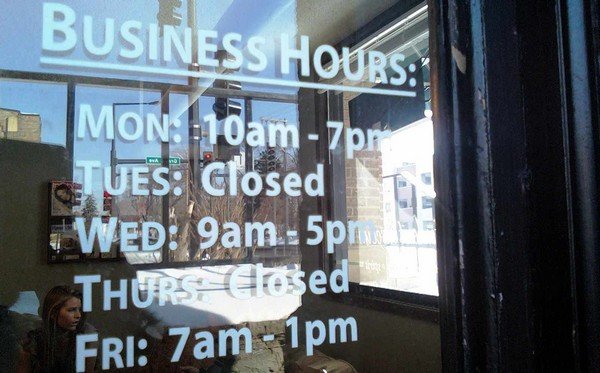
VIEW GALLERYIf you want to attract new customers or clients to your establishment, you need a sign that will catch their attention. Signages of various sizes, designs, and messages can help customers know what you are offering and be reassured of your brand.
Carolina Signs and Wonders can help you design the best outdoor signs and graphics your business needs and make it stand out from the rest.
No matter what type of Charlotte outdoor signs you need, our team can deliver them on time and in quick proficiency that will reflect the high-quality service you are providing. If you get a sign that is poorly designed and made, it will reduce any chance of you getting the right customers to your business. Our signs will make sure that the public can get your message and help your business thrive.
Call Carolina Signs and Wonders at (704) 286-1343 for a Free Consultation with an Outdoor Sign Specialist!
Storefront & Building Signs
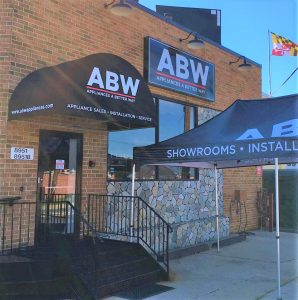
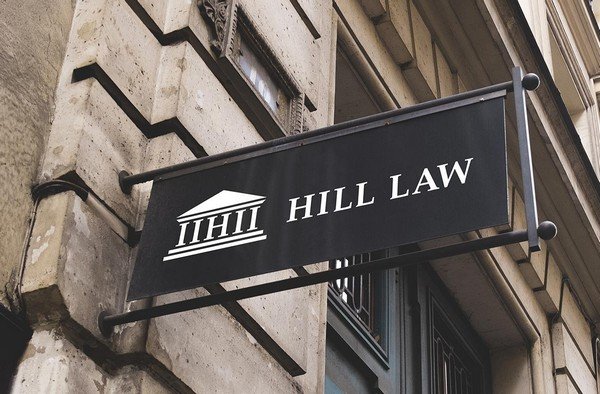
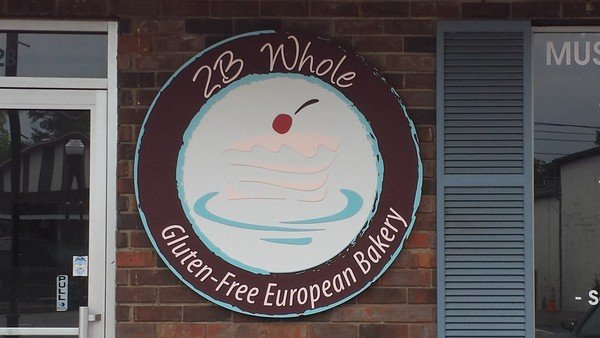
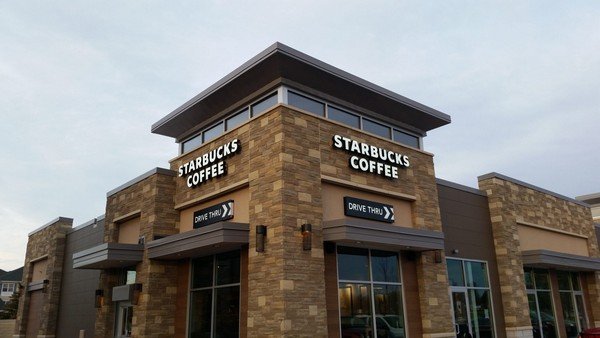
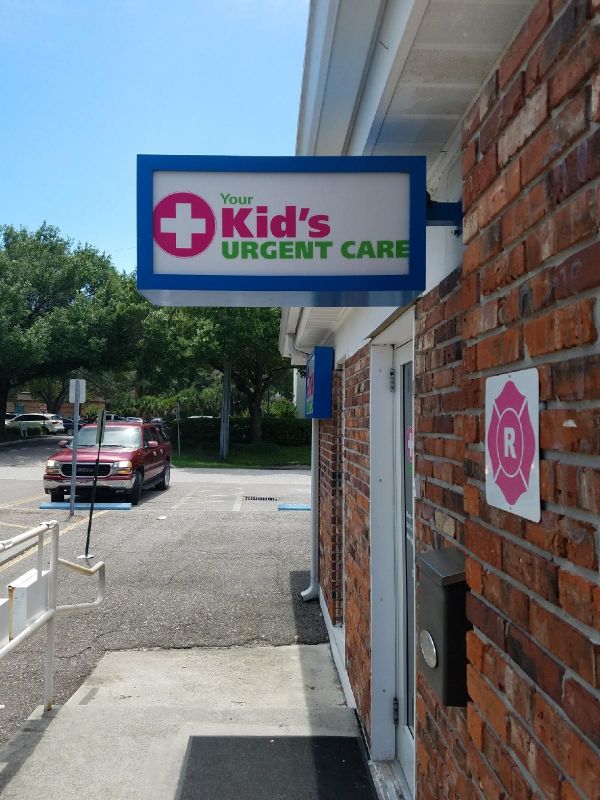
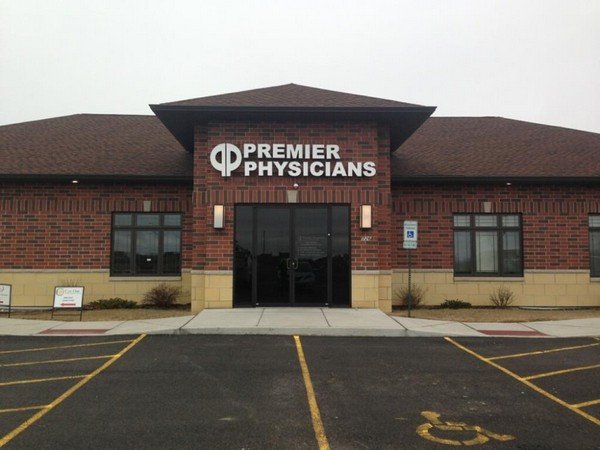
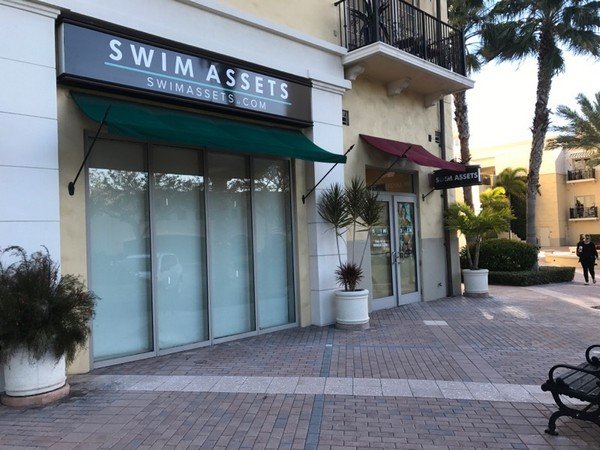
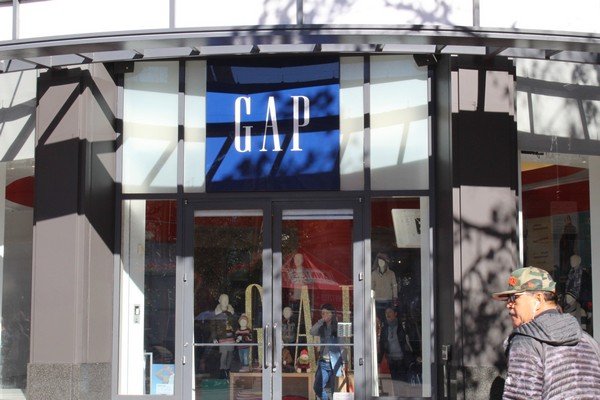
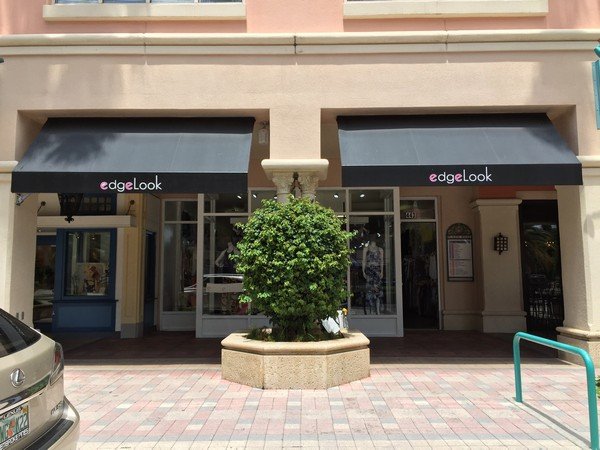
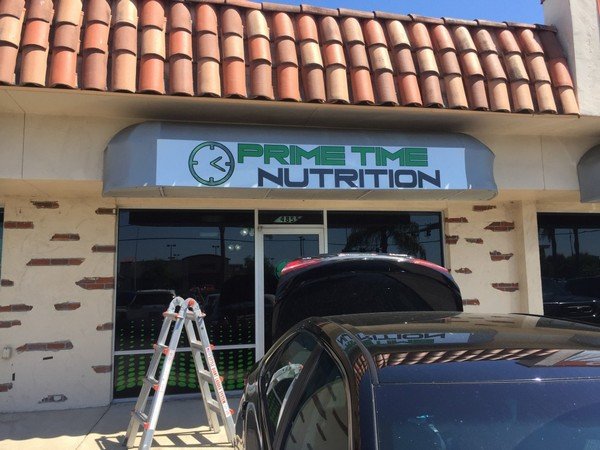
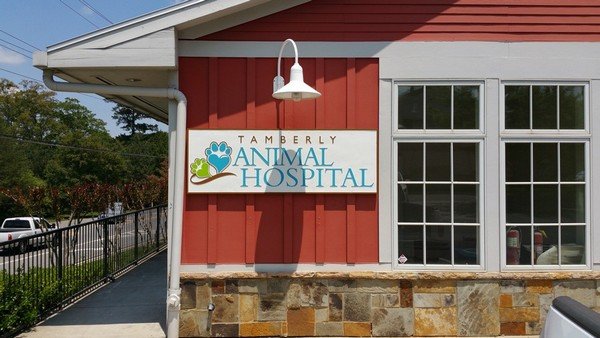
Your choice of branded storefront signage lets customers know you are ready to assist them. There are many exterior sign style, placement, material, and design options, allowing us to perfectly customize the right sign for your Charlotte, NC business and brand.
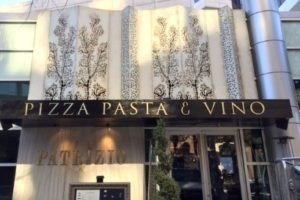
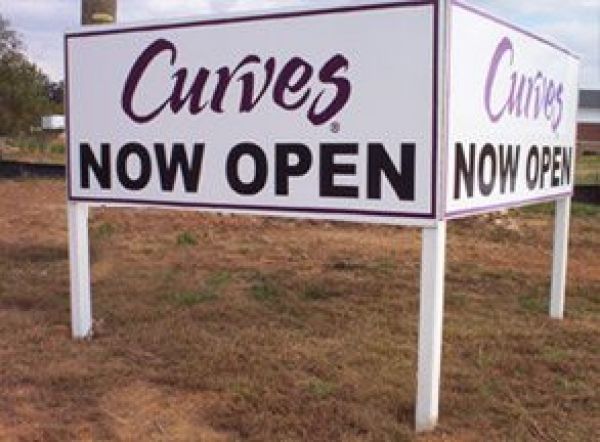
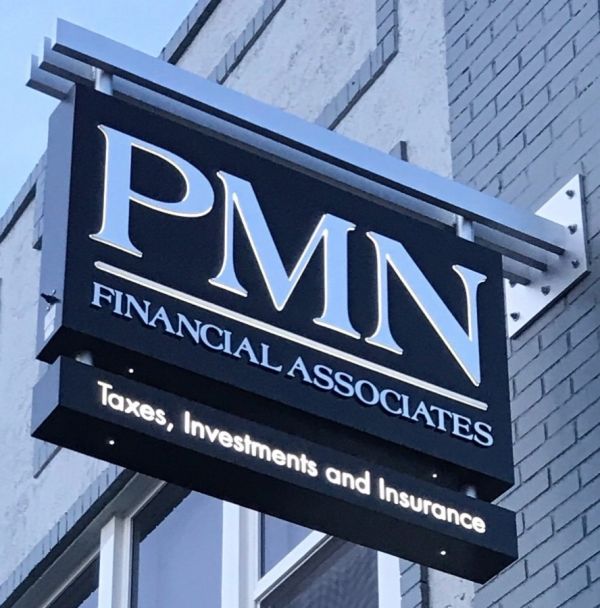
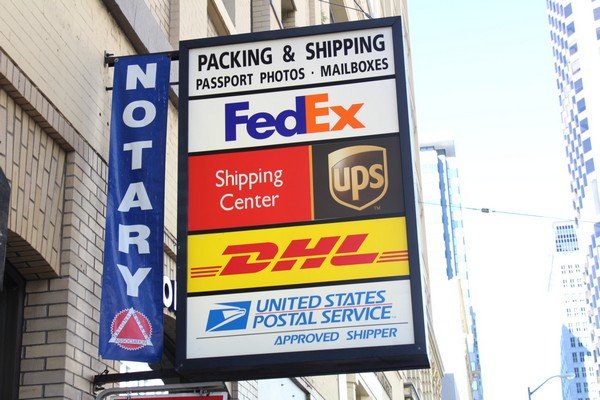
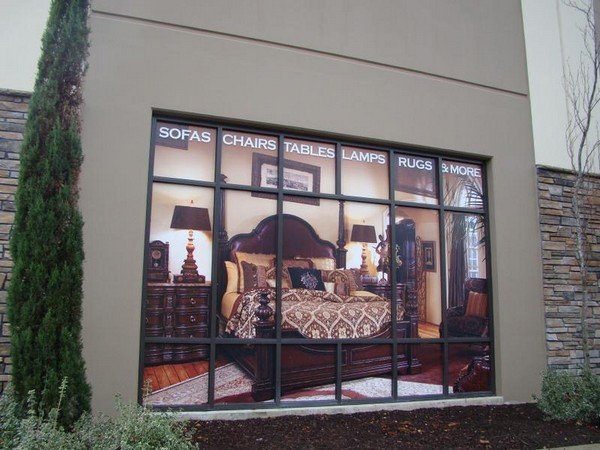
From impactful promotional graphics that share your best products and services to eye-catching, high-visibility panel signs, channel letters, dimensional letters, monument signs, and pole signs, we deliver the effective signage elements your business needs to attract more customers and keep them.
Carolina Signs and Wonders listens to your needs and goals, considering your physical location, competing businesses, budget, brand personality, and how traffic flows around and interacts with your business to determine the best outdoor signage blend for you.
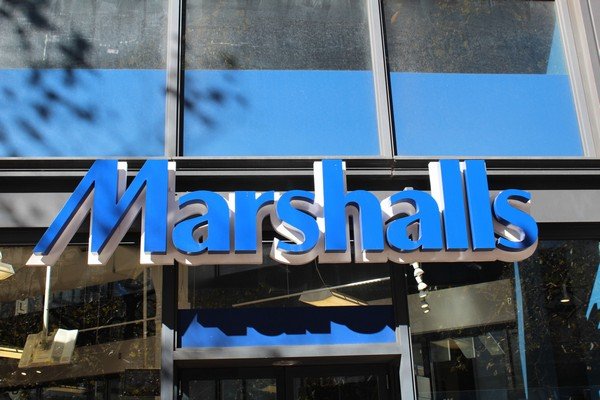
Channel Letters & Dimensional Letters
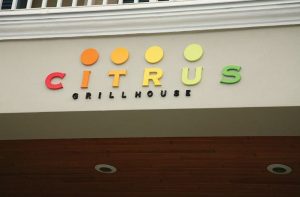
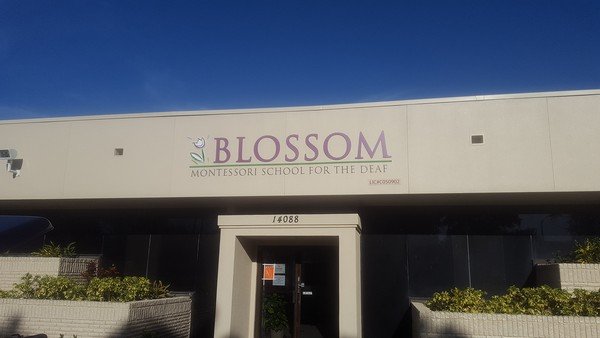
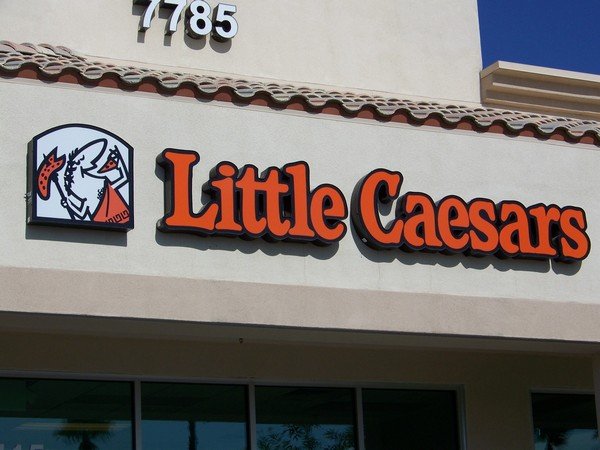
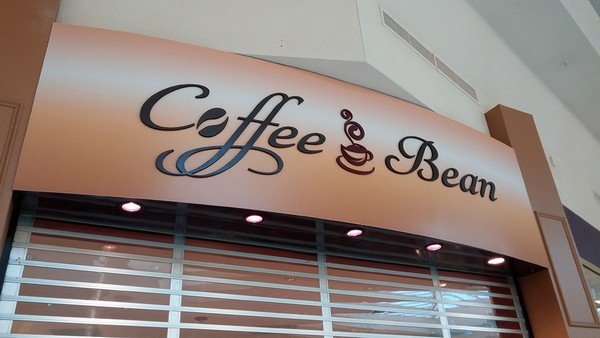
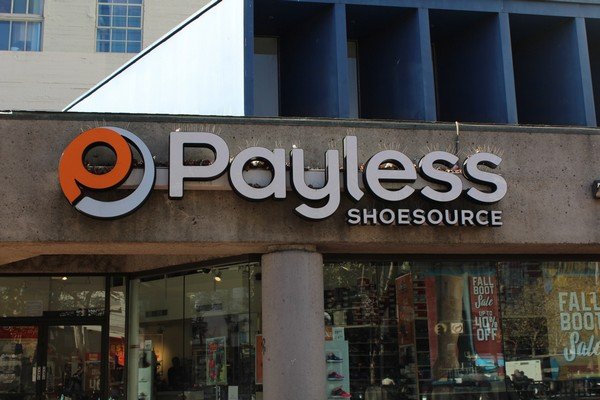
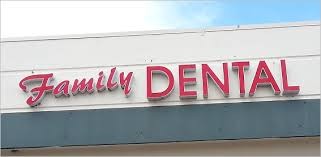
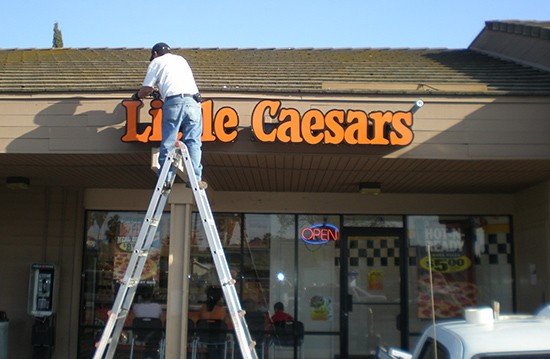
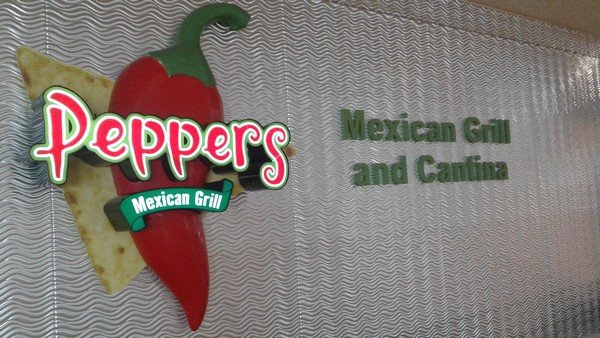
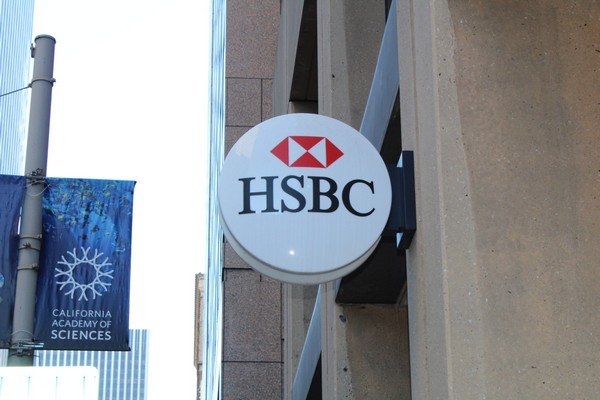
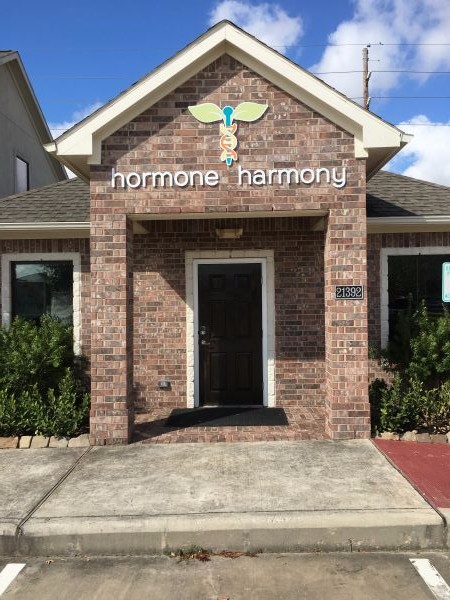
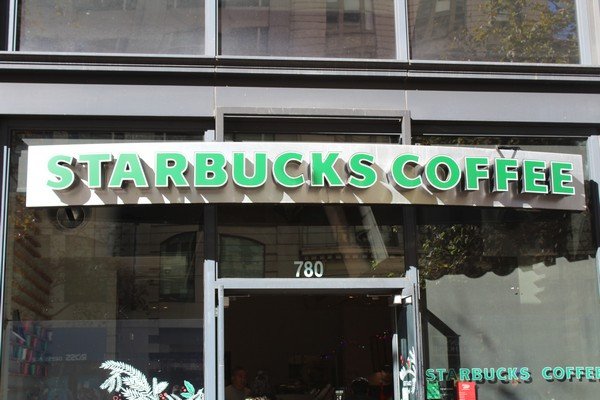
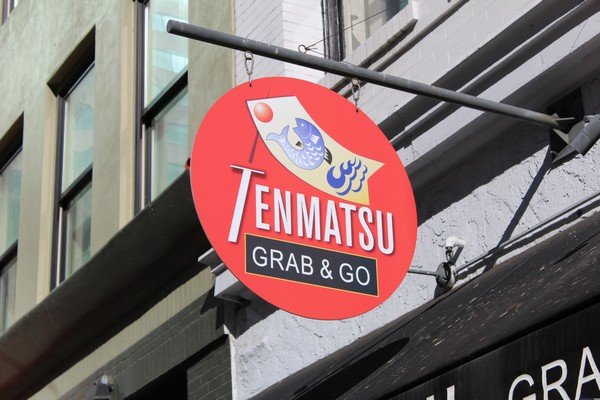
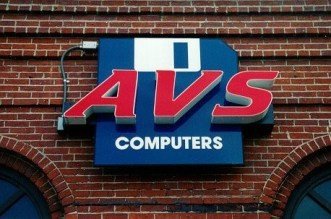
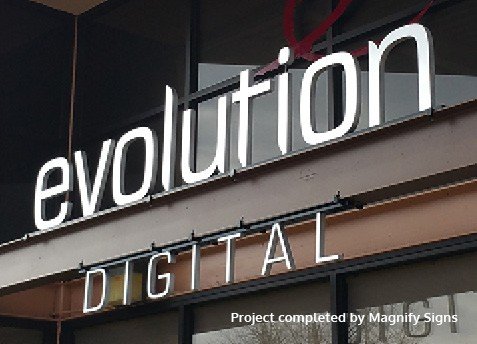
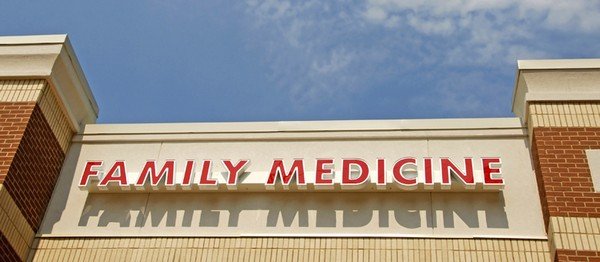
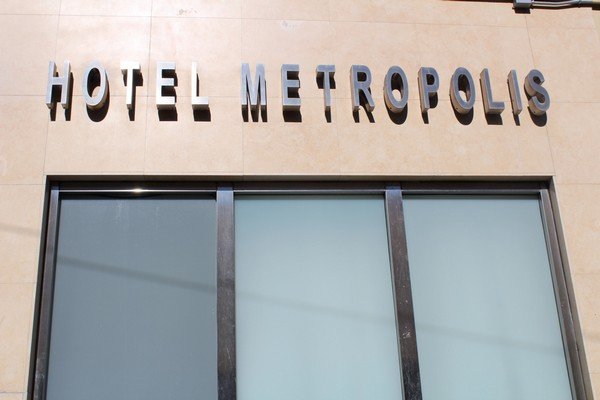
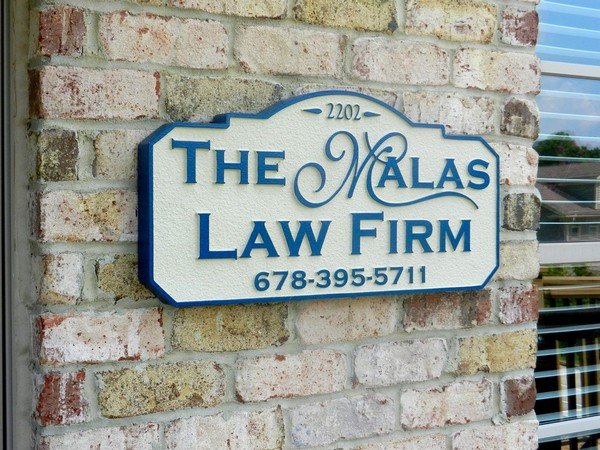
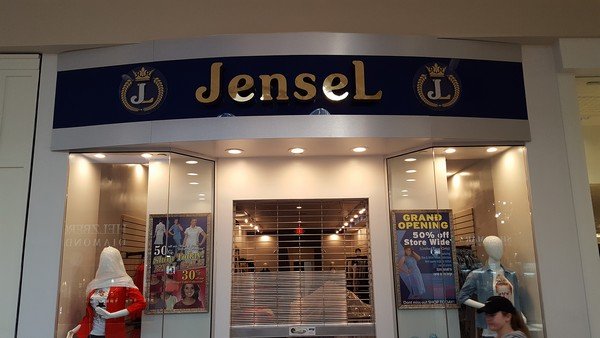
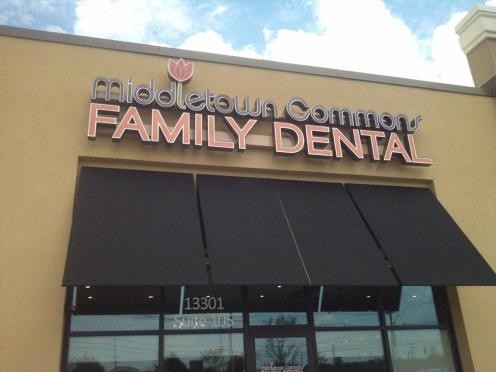
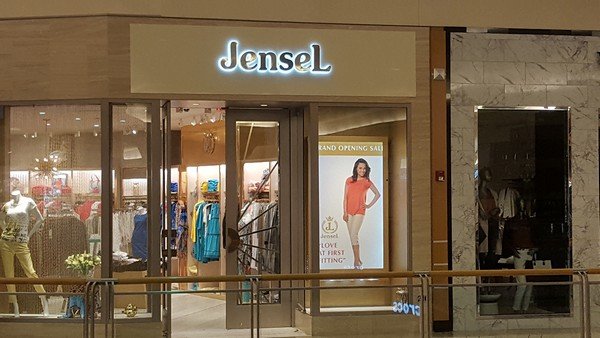
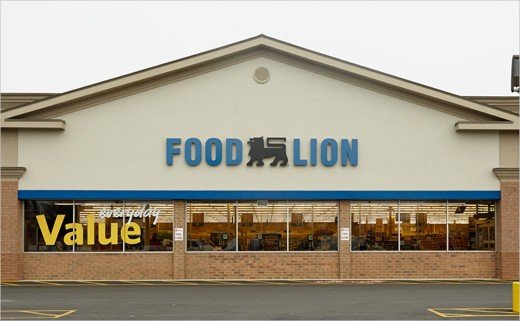
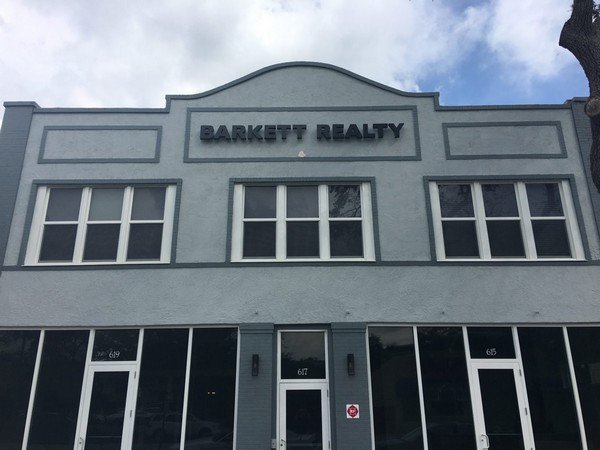
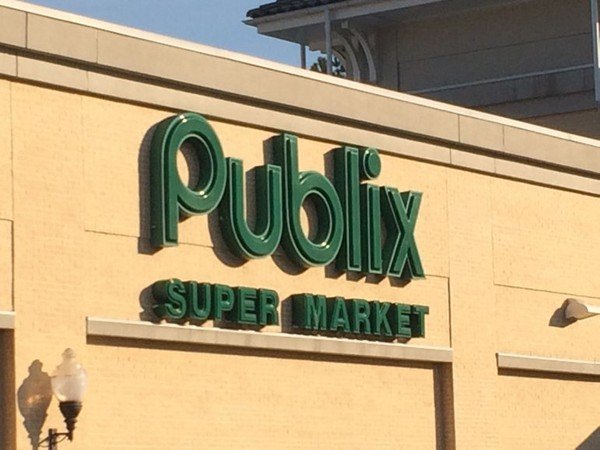
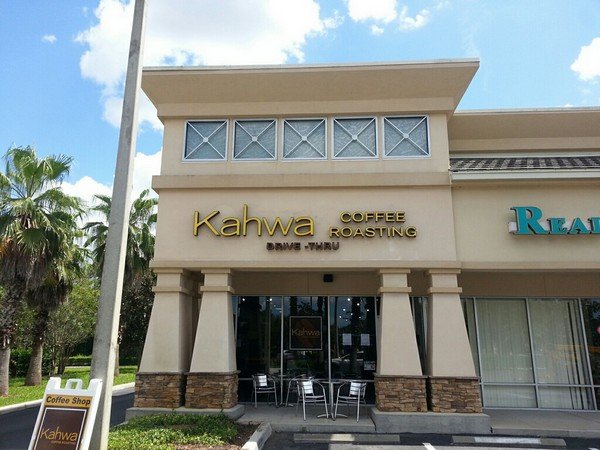
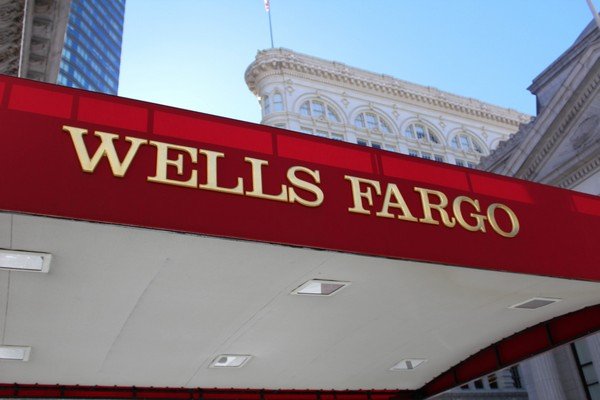
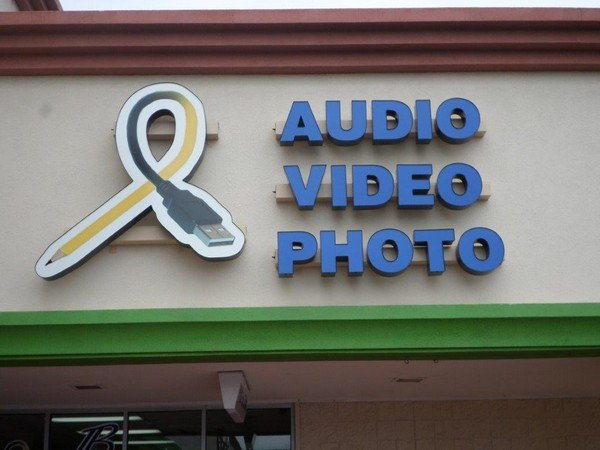
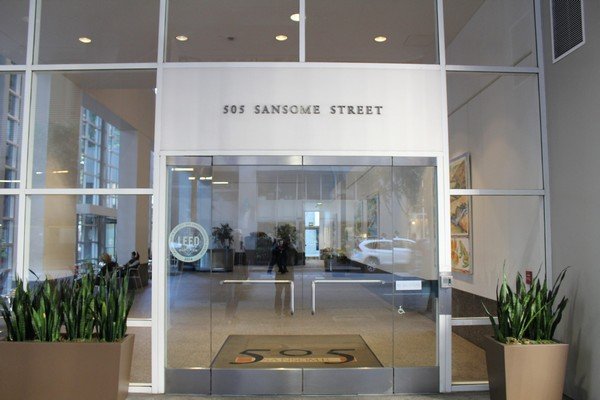
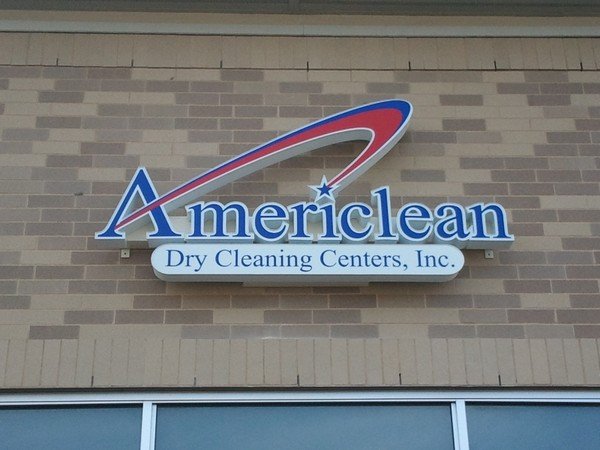
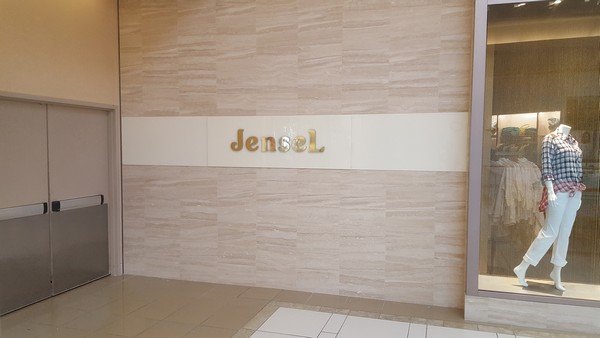
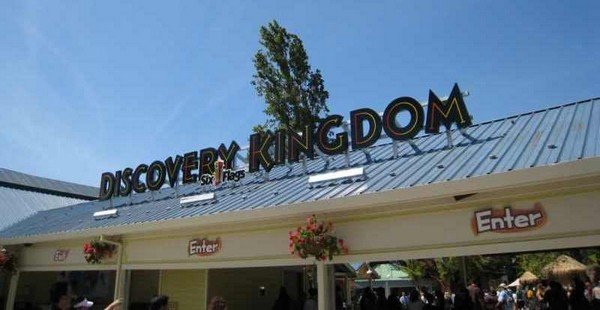
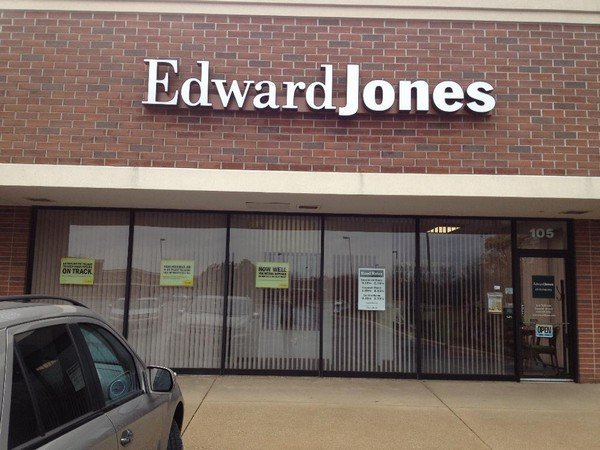
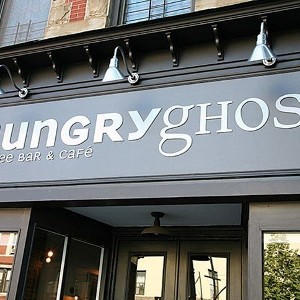
Commercial channel letters and dimensional letters are commonly requested for many different industries and business types due to their versatility and high-level of customization options. Applied directly to your storefront, these letters can be crafted in any font, size, style, or color, creating an extension of your brand that is truly reflective of who you are as a business.
Channel and dimensional letters are easy to see and understand, and are intuitively found by customers seeking your information.
Lighted Signs
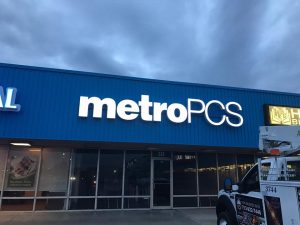
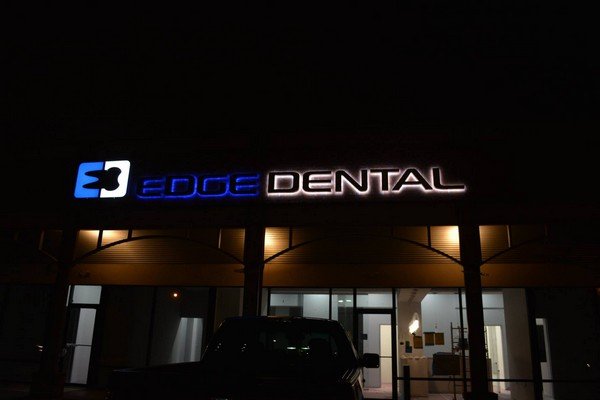
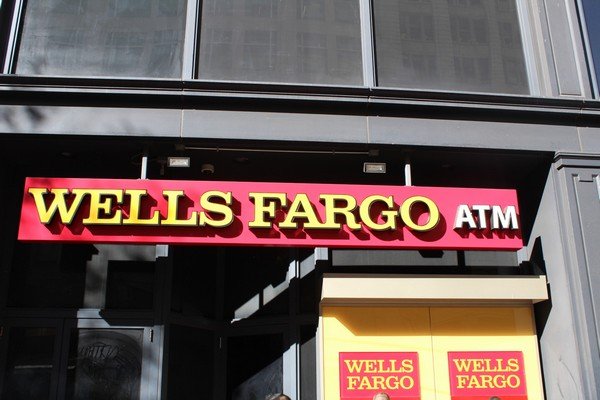
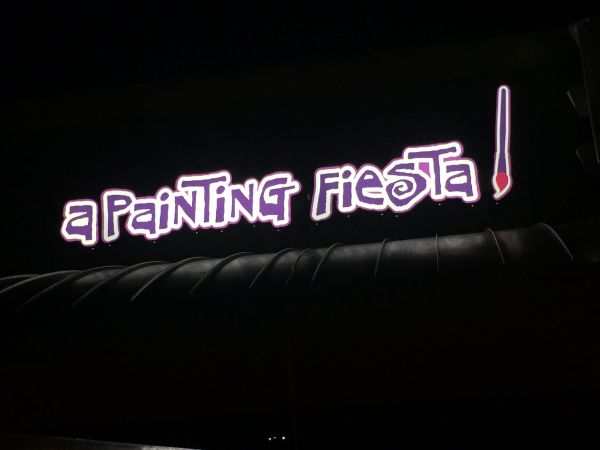
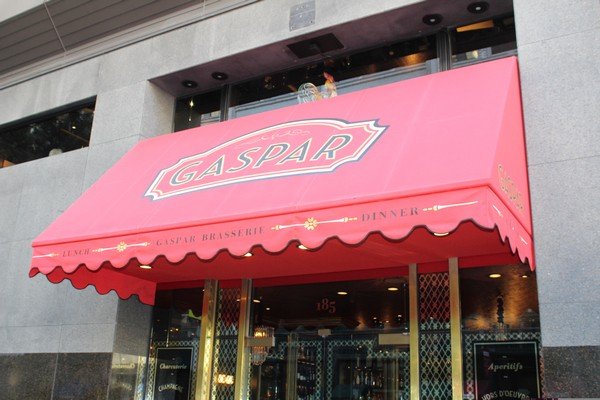
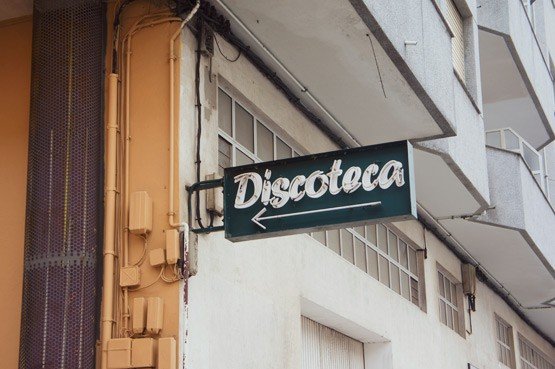
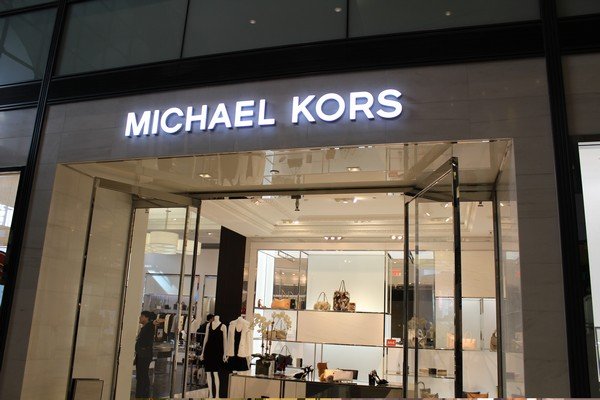
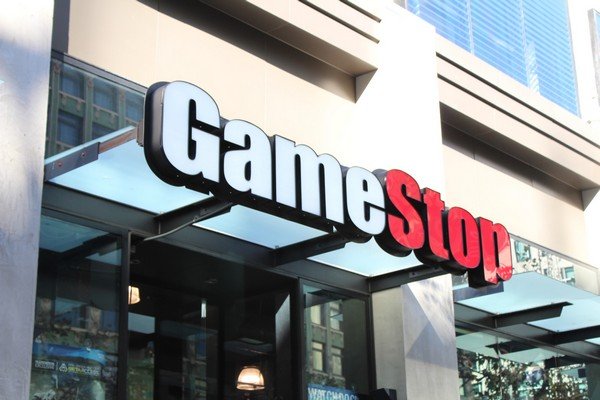
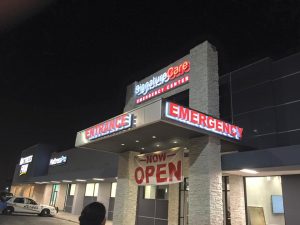
Signs are not always visible, especially at night. To bypass this problem, lighted signs are the best signs to use. These lighted signs are made by high-quality LEDs, which are energy-efficient than old neon or incandescent signages. These signage types can fit all sorts of buildings and can be designed in all sorts of styles.
Carolina Signs and Wonders provides many lighted sign types, including illuminated cabinet signs and channel letters, backlit dimensional letters, traditional light elements for other sign types, and even digital displays and message boards. Lighted signs are great for bars, restaurants, movie theaters, comedy clubs, and any other business looking to attract customers during low visibility times.
Custom Sign Panels
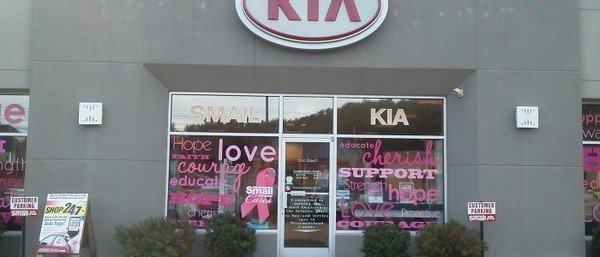
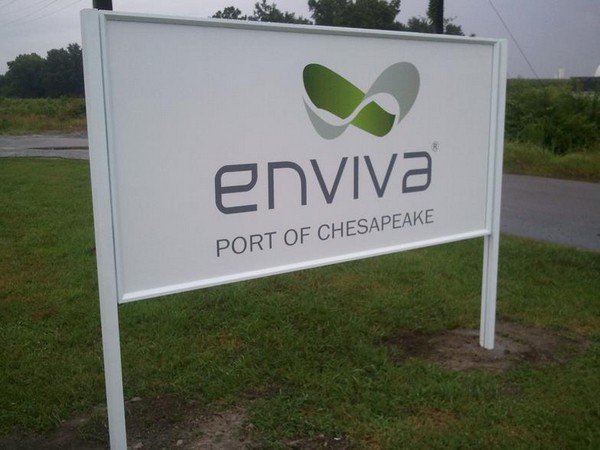
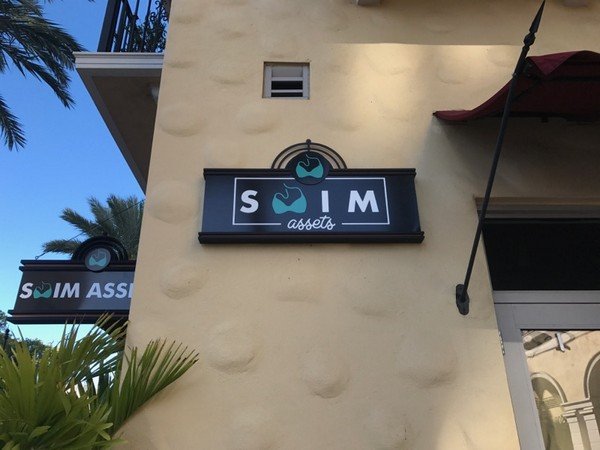
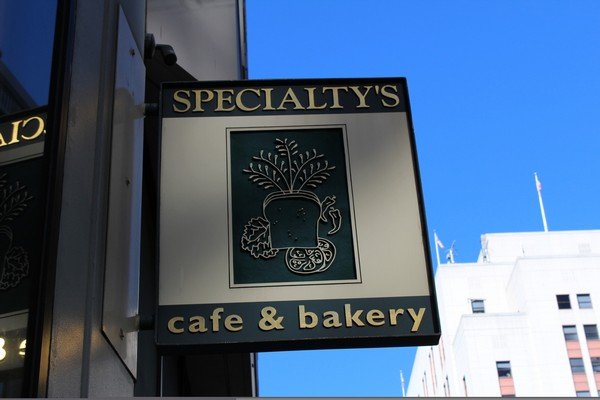
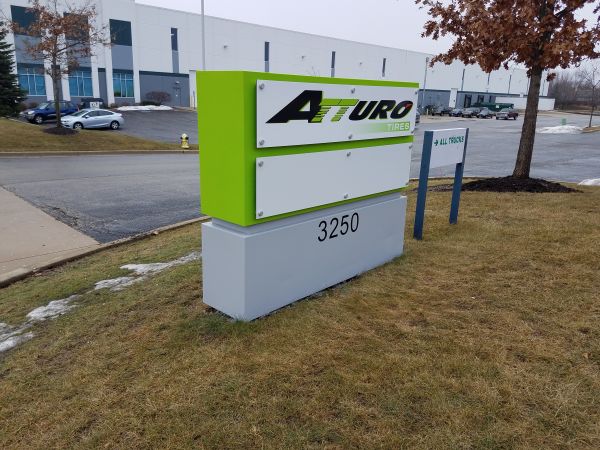
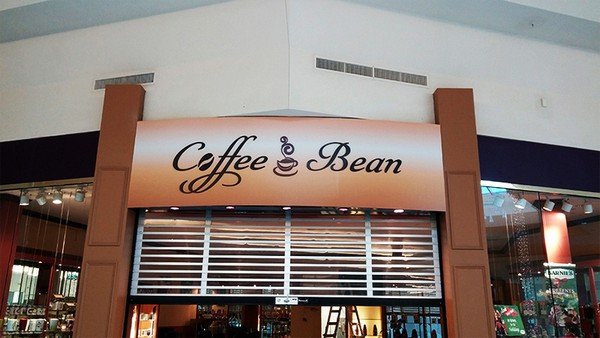
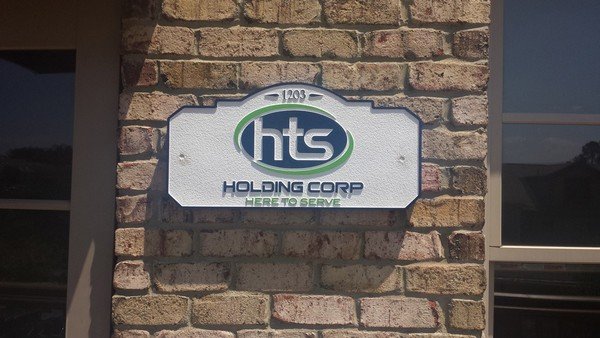
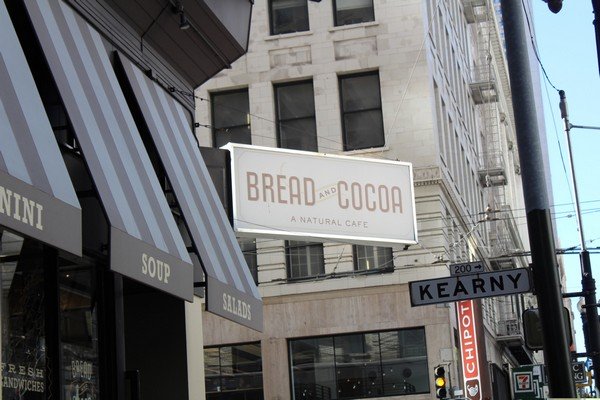
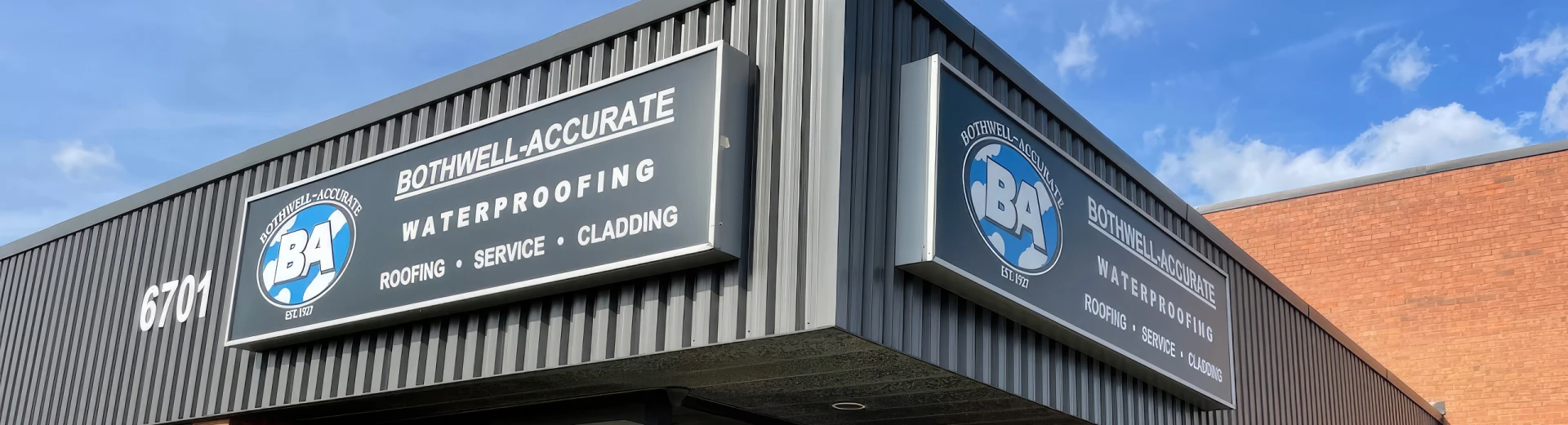
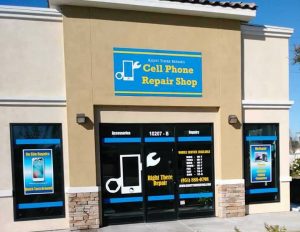 Sign panels are one of the most popular types of storefront signage in Charlotte, due to their fast production time and versatility of design.
They can include any information you wish, from displaying your brand name and unique taglines and messaging to including address information, sales messaging, and more.
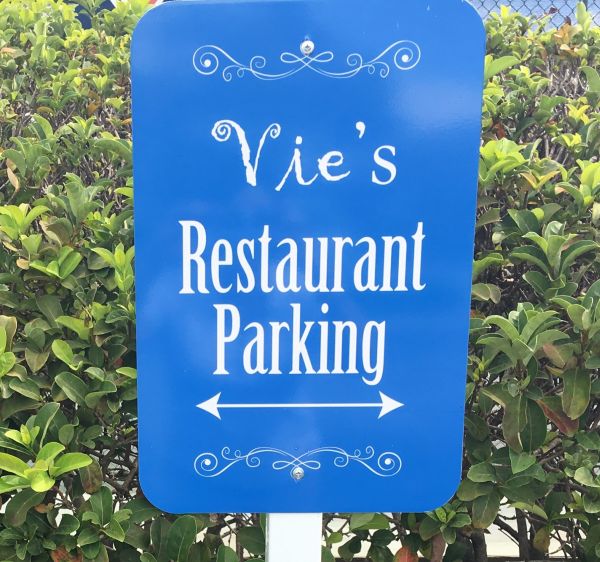
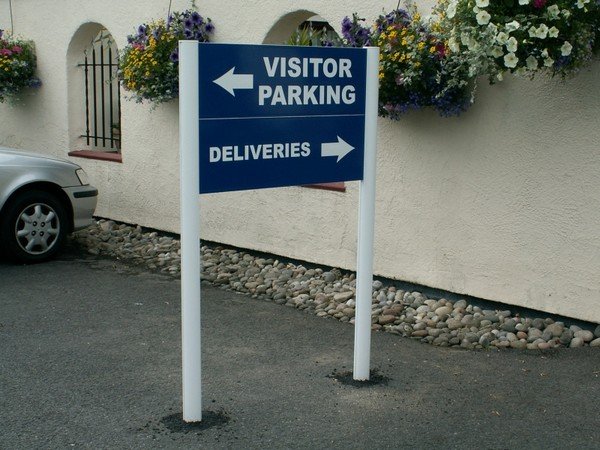
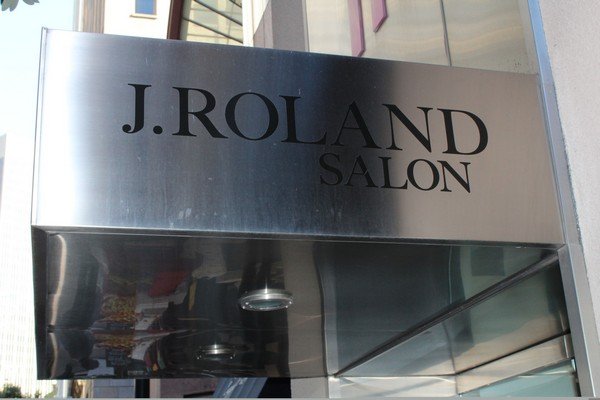
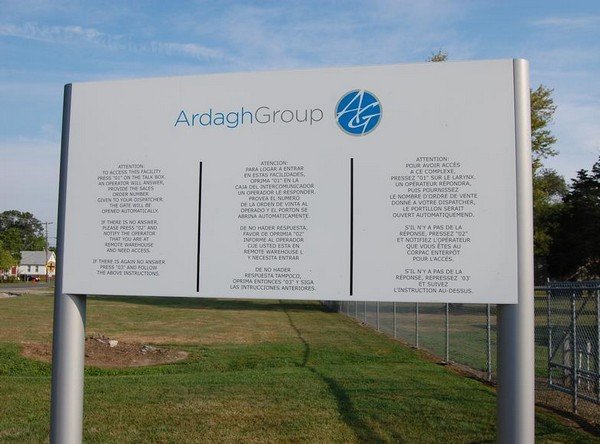
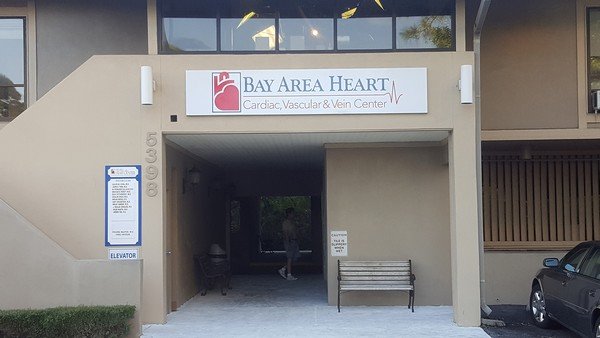
Commonly crafted using vinyl lettering adhered to a metal or translucent panel, they may be attached directly to the wall, or affixed to a lightbox for illumination. We help you understand which options will work best for your building, brand, placement, and messaging. These are a popular choice for repair and service centers, as well as manufacturing plants, distribution centers, warehouses, and other commercial or production style facilities.
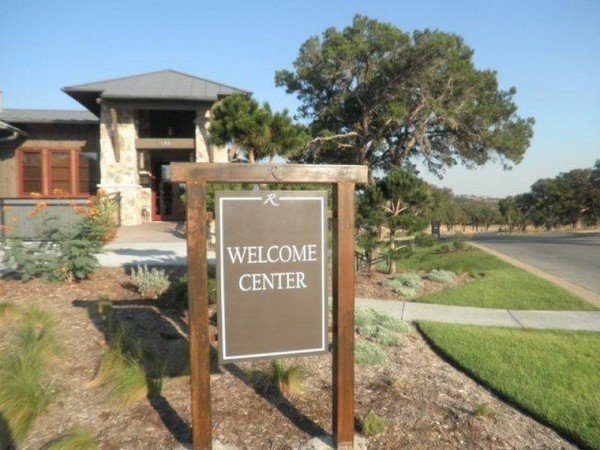
Monument Signs
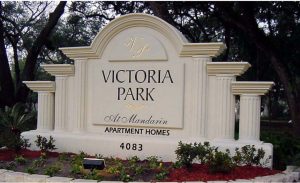
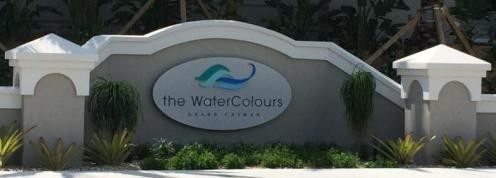
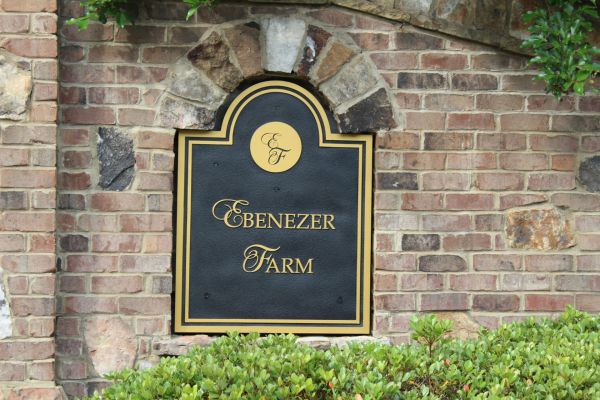
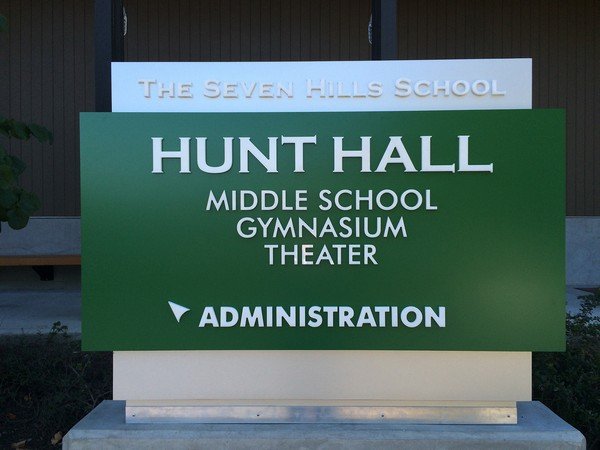
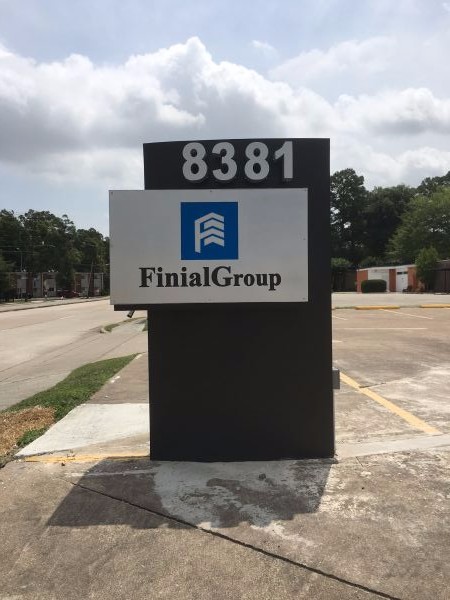
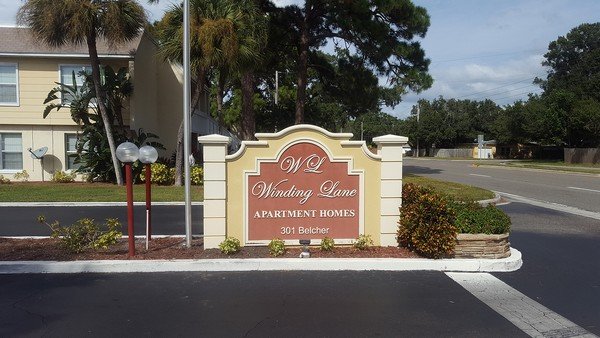
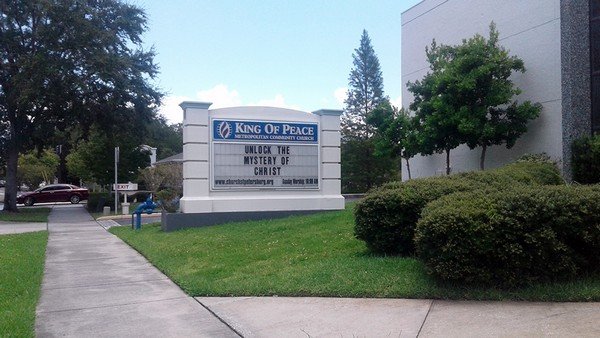
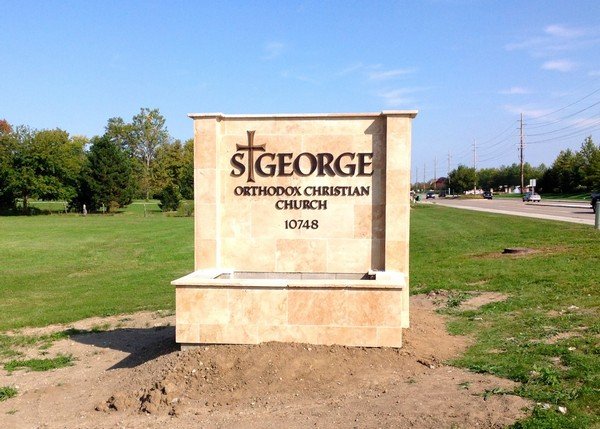
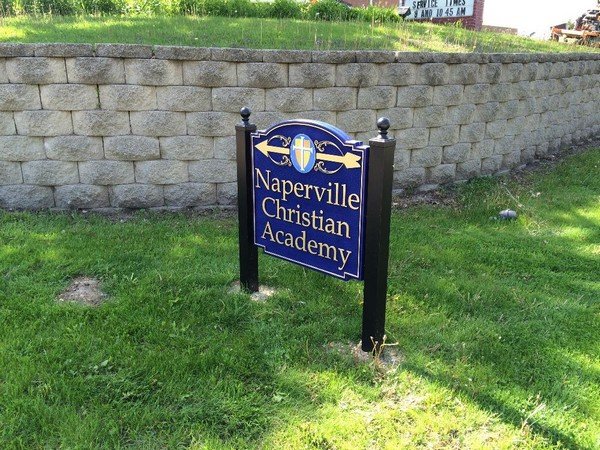
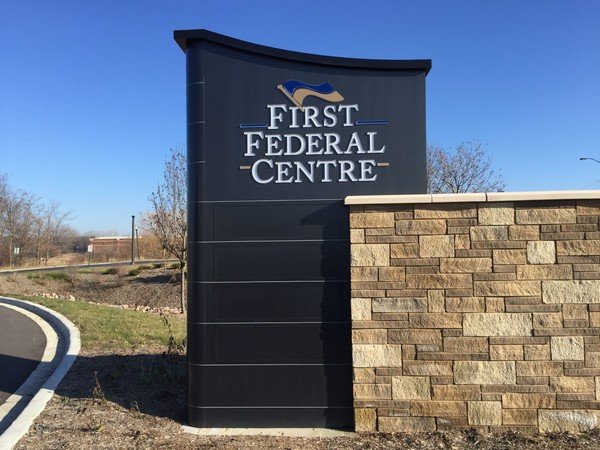
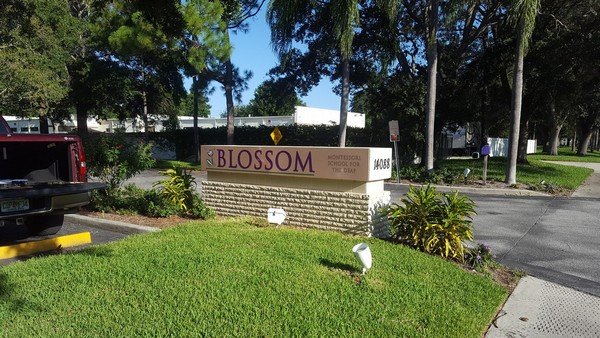
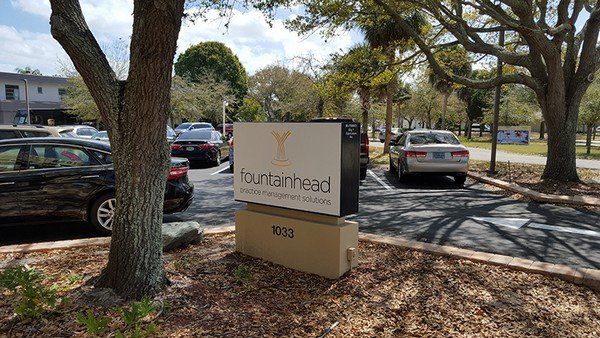
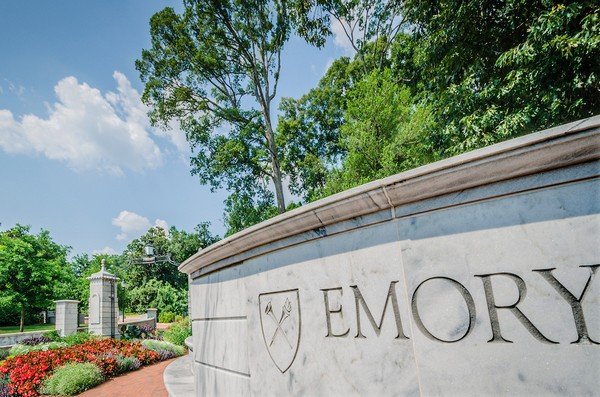
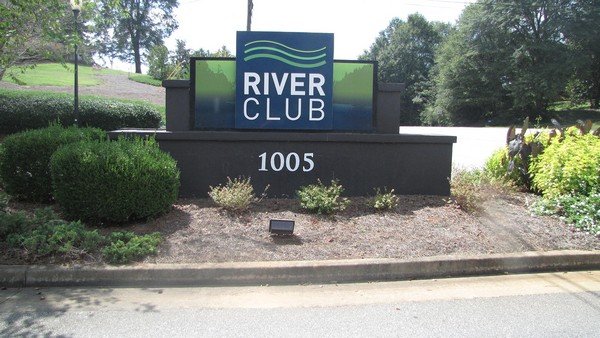
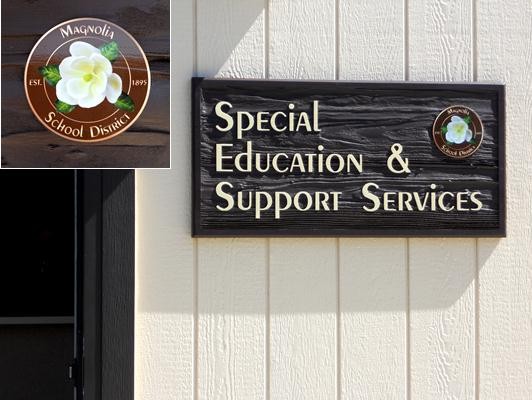
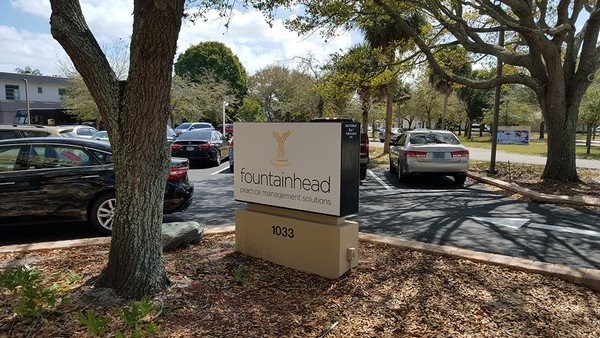
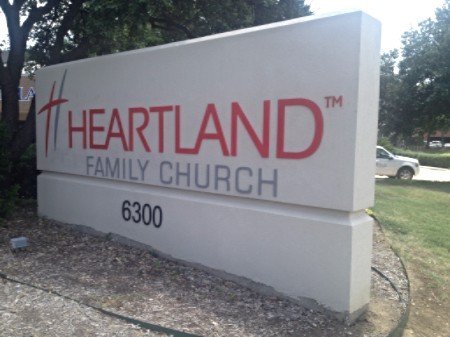
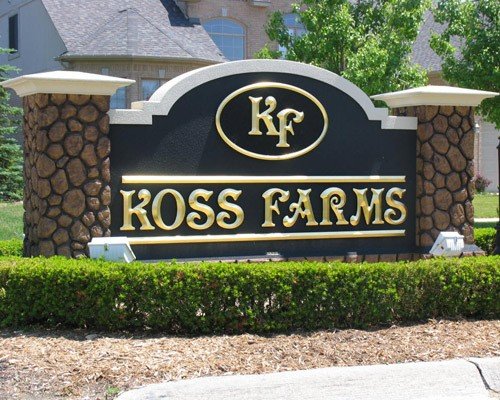
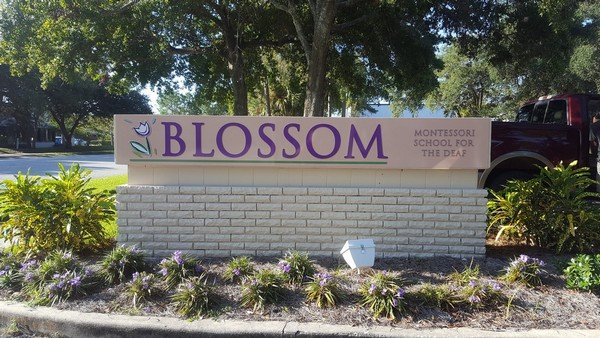
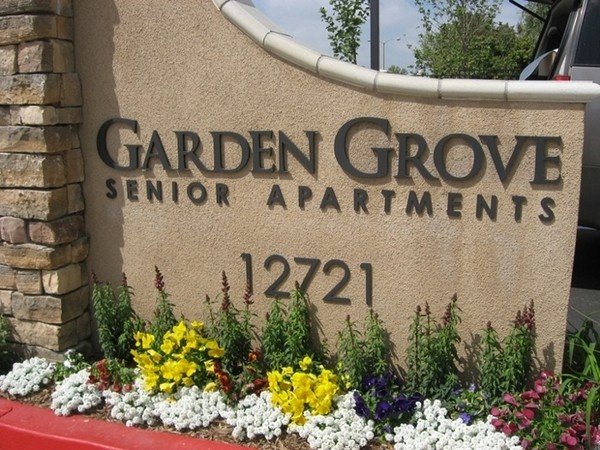
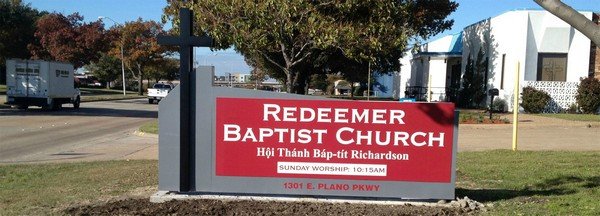
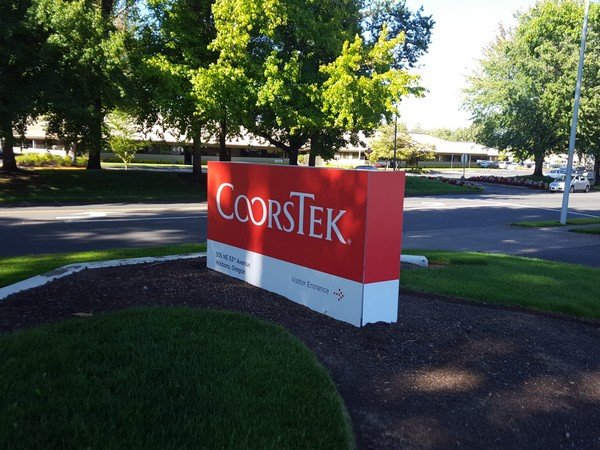
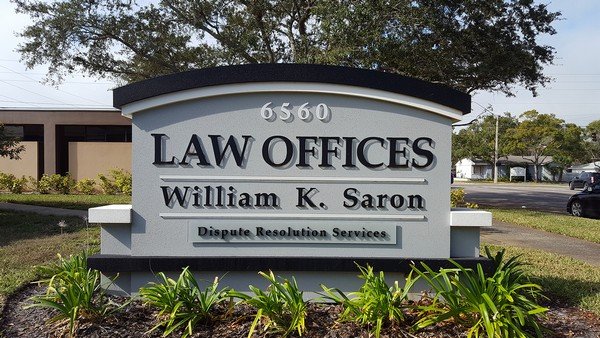
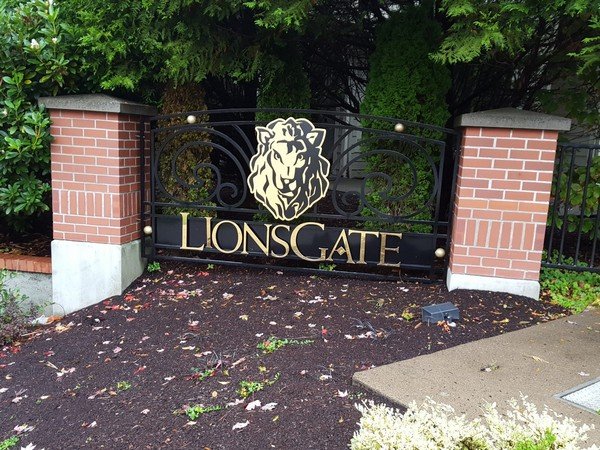
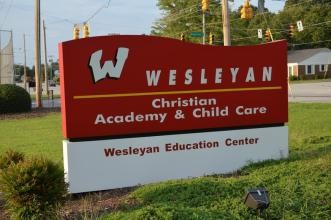
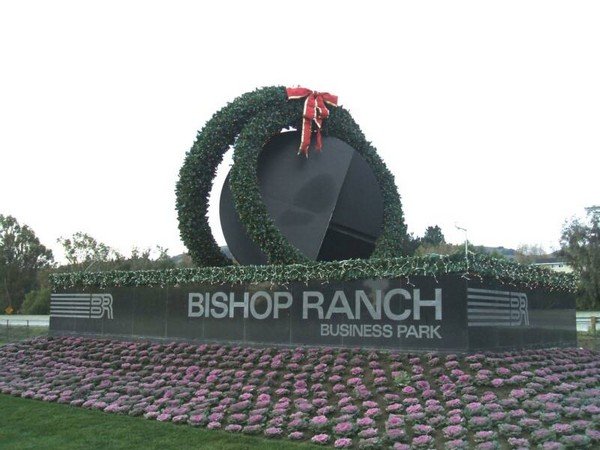
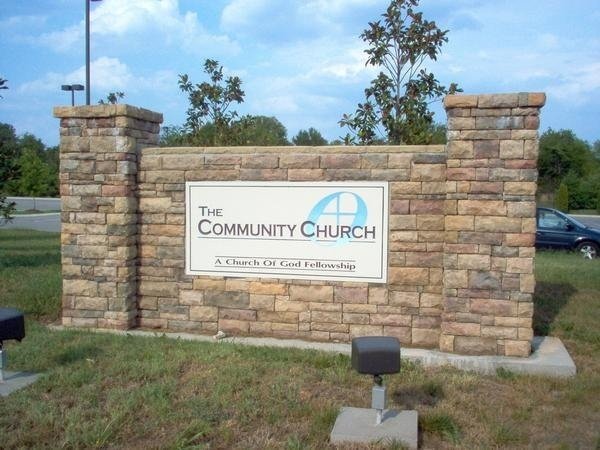
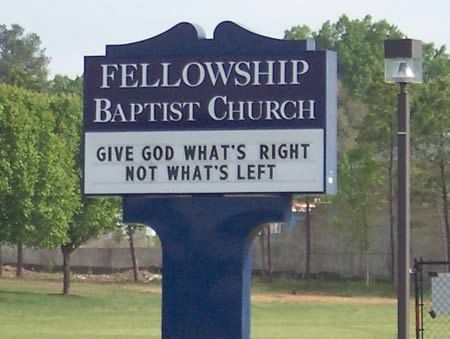
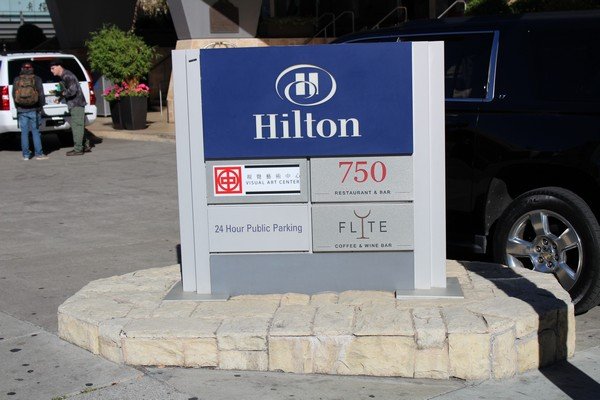
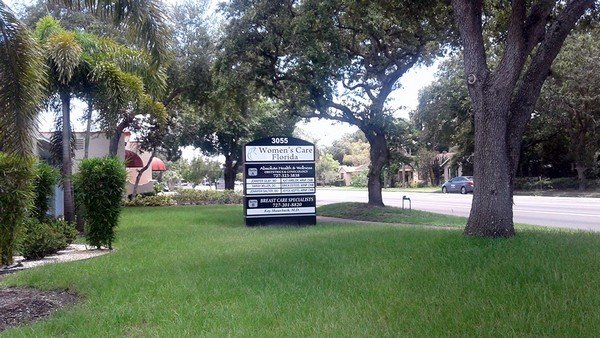
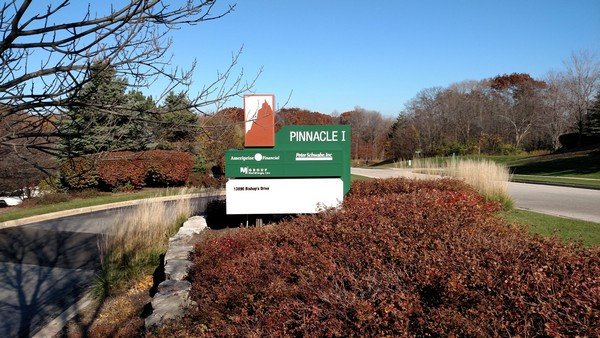
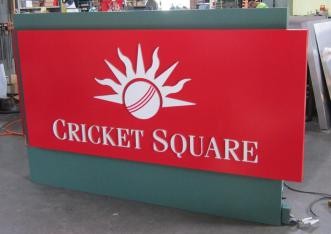
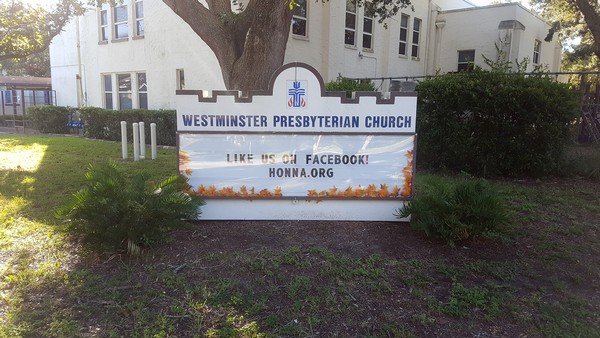
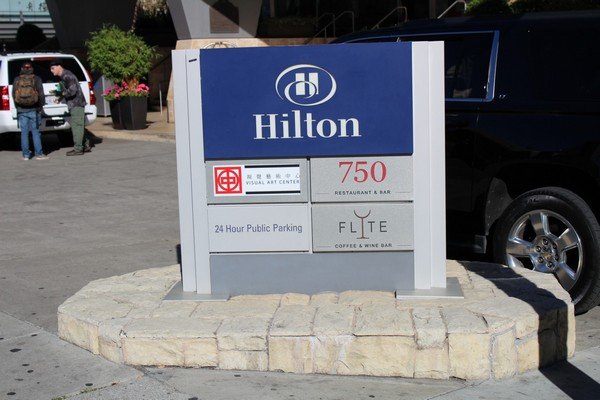
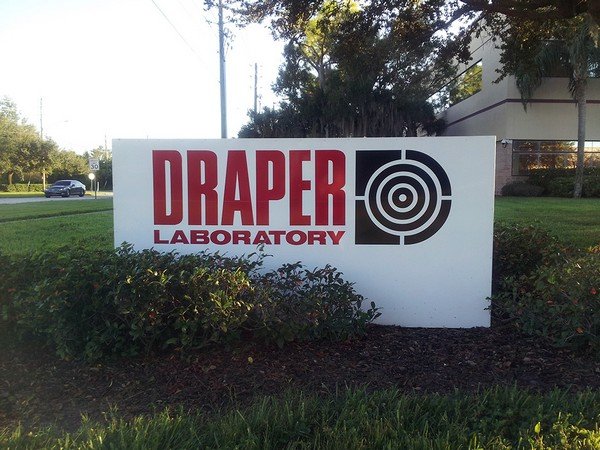
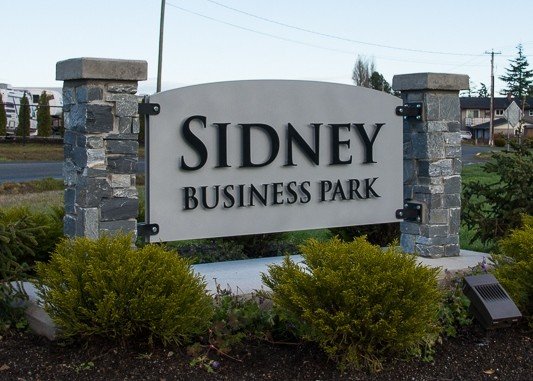
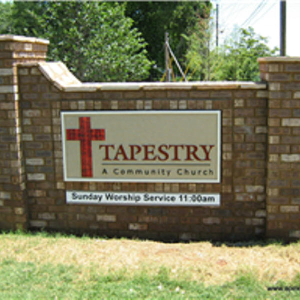
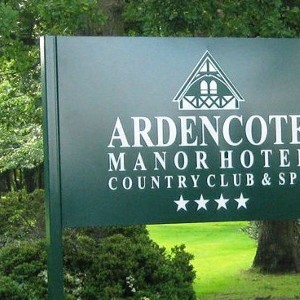
For long-lasting and impressive signs, monument signs can invoke that sense of longevity for those who see it. These monument signs are made in durable materials such as concrete, stone, and marble. These signs can also be customized to include engravings and a special message center.
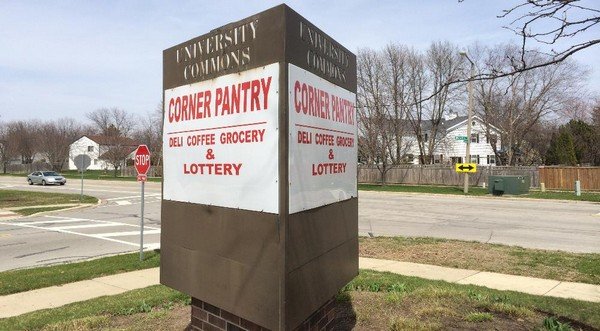
Monument signs are a popular choice for those looking to make a lasting and strong impression, such as corporate headquarters, office complexes, private clubs and organizations, and churches or universities. They are a durable reminder of the qualities you most want people to remember about your business.
Pole Signs & Pylon Signs
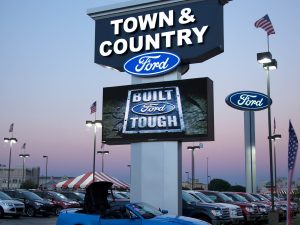
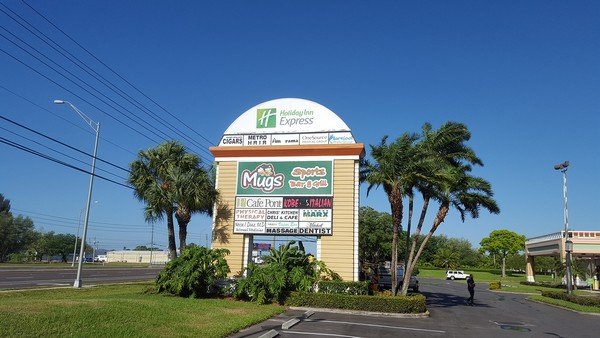
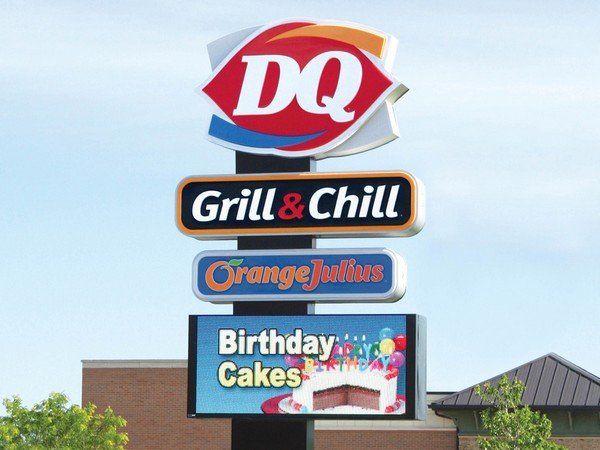
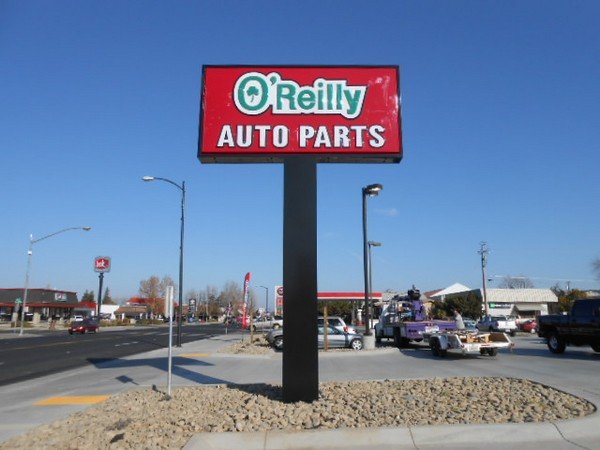
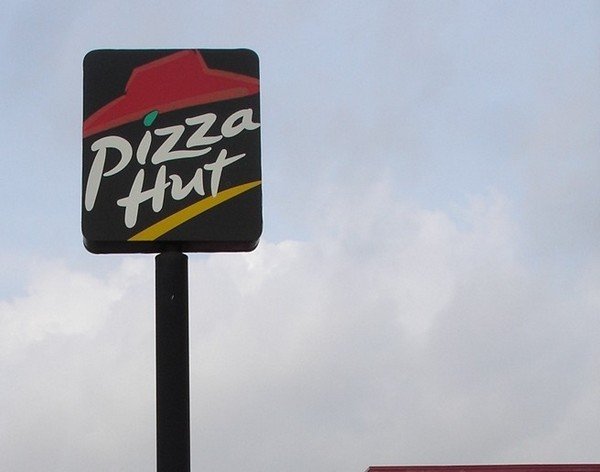
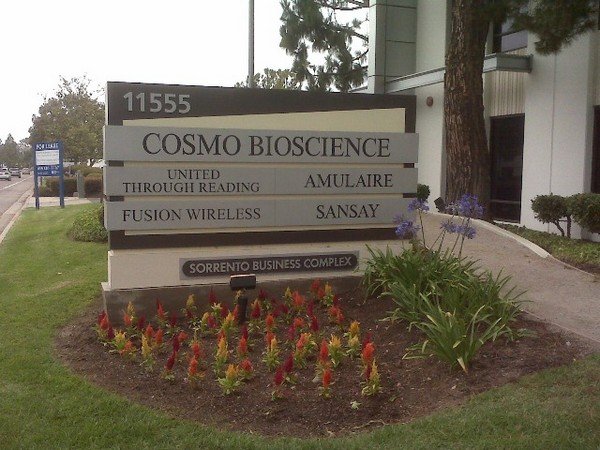
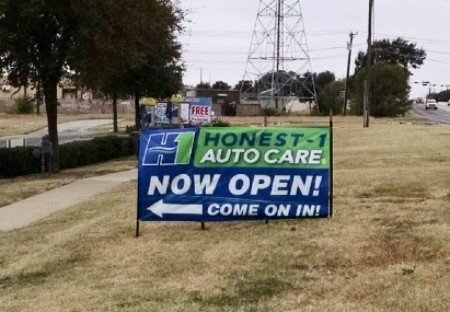
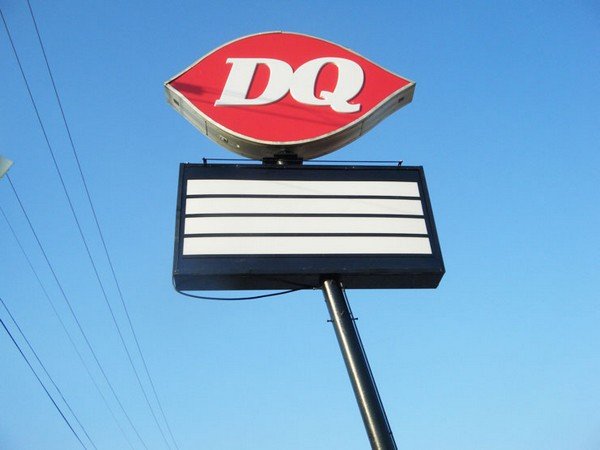
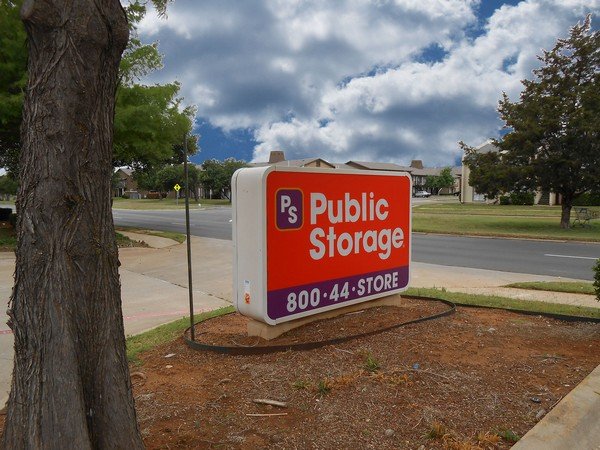
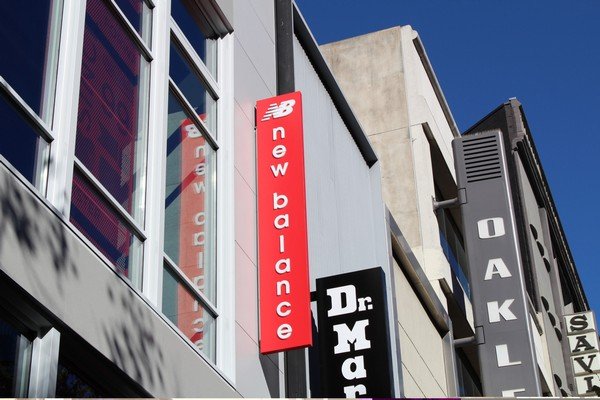
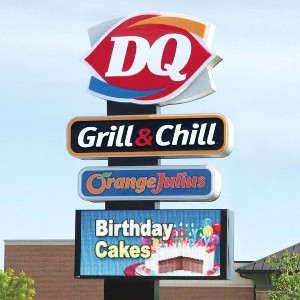
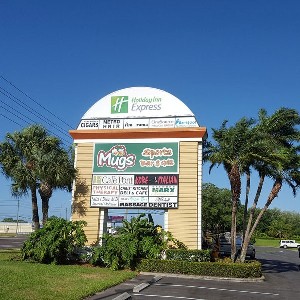
When you want to make an impact and get people to know more about your business, getting a pole or pylon sign is the way to go. These signs can tower over other signs from other businesses, and it can be seen from long distances, enabling potential clients to see it from miles away. It will also make a greater impact on them since they can easily remember it as compared to other signages.
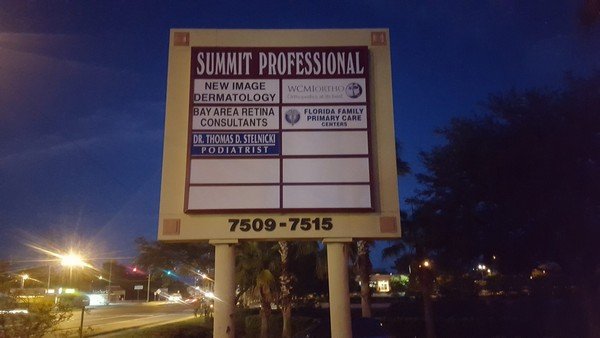
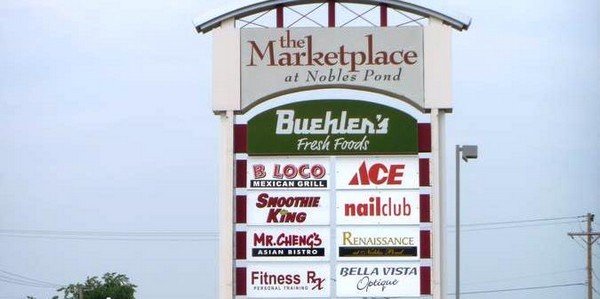
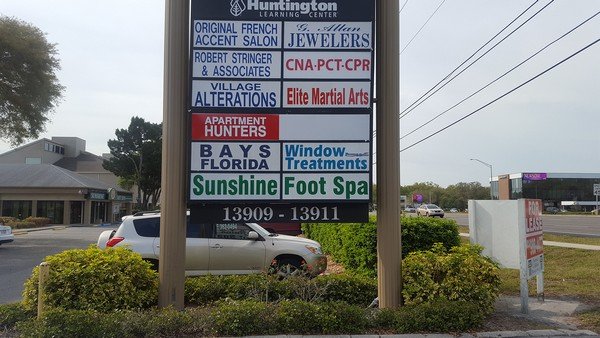
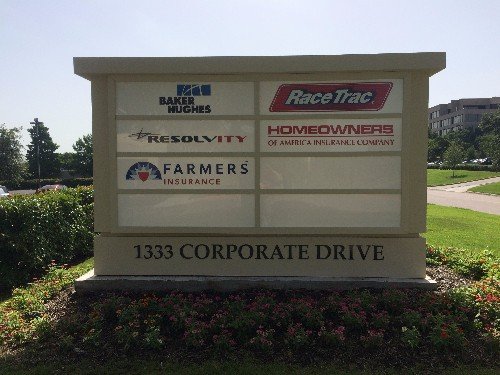
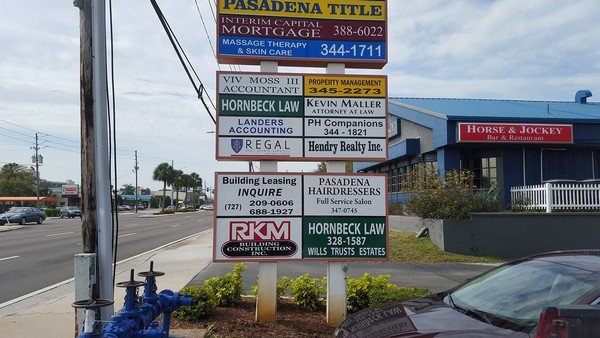
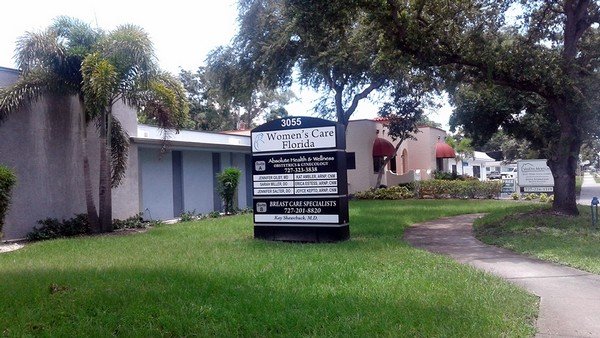
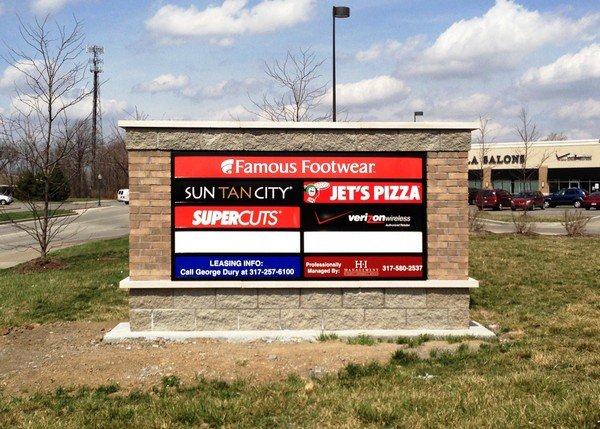
Pole and pylon signs also make great tenant signs, allowing you to feature multiple businesses within your shopping center, or can be equipped with digital displays and message centers to make sure your entire message is being seen and remembered.
Complete Exterior Signage Provider
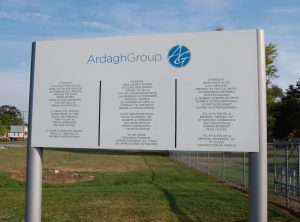
Charlotte exterior signs will help people identify the name of your business or building even if they see the sign from a distance. It can reflect your company brand and make the right impression of your business to clients and customers alike. Our signs will be visible and easy-to-understand, as well as be in the right size and color.
Our team will also make sure that these signs will incorporate key improvements such as night lights in the evenings and weatherproof materials. Some of our signs can easily be updated if businesses need to change their signs for promotions and key updates. We can even incorporate the elements of your business theme to these signs seamlessly.
We will also include the branding of your business to your business graphics. We will give it a polished look and ensure that people know you mean business. We will also ensure it retains a sense of professionalism that reflects your brand and the products or services you present.
Our other exterior signs include:
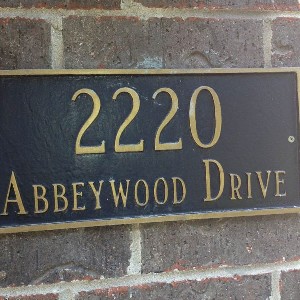
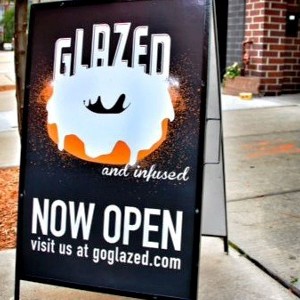

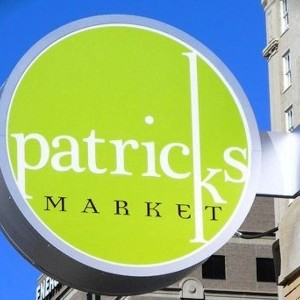
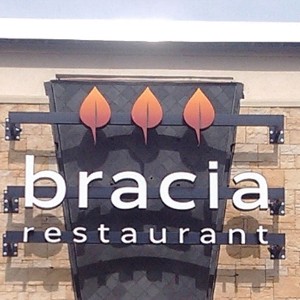
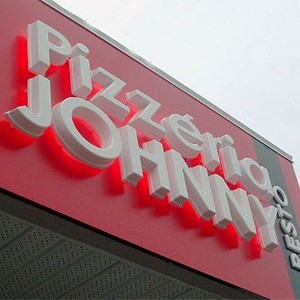
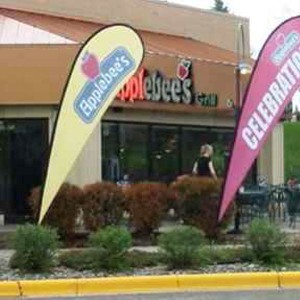
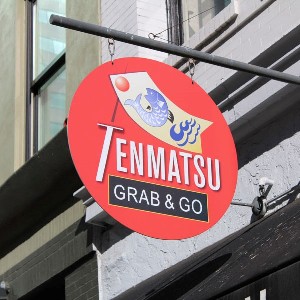
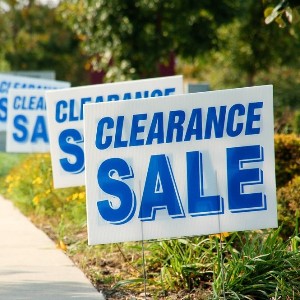
If you need a customized sign, that is not a problem. We will sit down with you to ask you what you need, and we will design it for you. We will even recommend what type of sign is great for your needs and deliver it to you immediately with efficiency. We also work with any type of material for signs, including digital technology.
Full-Service Exterior Sign Company

When it comes to Charlotte outdoor signage, we are here for you. Carolina Signs and Wonders will be with you all the way from the time you send your order request to the installation of your sign.
With our expert team in your back, our clients will be able to get the perfect signs and graphics for any needs they need it for. We even do on-site consultations to see where these signs should be placed, how large they should be, and identify which type of sign will be effective for the business or space.
Whatever sign you need, our team can deliver it without any problems. We are partnered with great suppliers who also understand the importance of a great sign and why it should be done with care. Our sign-making process is also one of the best in the country, guaranteeing that clients will get signs which are affordable and ideal for your business.
When you need a sign done for your business or need one replaced or revised, contact us and we will help you out.
Free Outdoor Sign Consultation
If you want a company that you can trust in helping you get the best sign and graphics for your business, us here at Carolina Signs and Wonders is ready to help. We have been in the industry for a long time now, and we have made all sorts of signs for our clientele: from simple signs to outdoor signs of epic proportions.
Don’t ask another company to help you make signs if you do not know how well they make their signs. Here at Carolina Signs and Wonders, the signs we can make for you will definitely help your business reach its goals and get the people you want to your business.
Call Carolina Signs and Wonders at (704) 286-1343 for a Free Consultation with an Exterior Sign Specialist!